
Curiosity drives every leap in technology, especially when bold new tools spark fresh debates about what is possible. These cutting-edge AI solutions show how ideas evolve fast and how competition shapes the future of smart systems. Whether you are fascinated by breakthroughs or searching for the next big thing, the choices ahead bring more questions than answers. Each platform promises something different, from smarter decision making to easier integration with everyday tasks. The race between advanced AI tools is full of surprises and rivalries that may reshape how we think about artificial intelligence.
Table of Contents
Jett Optics
At a Glance
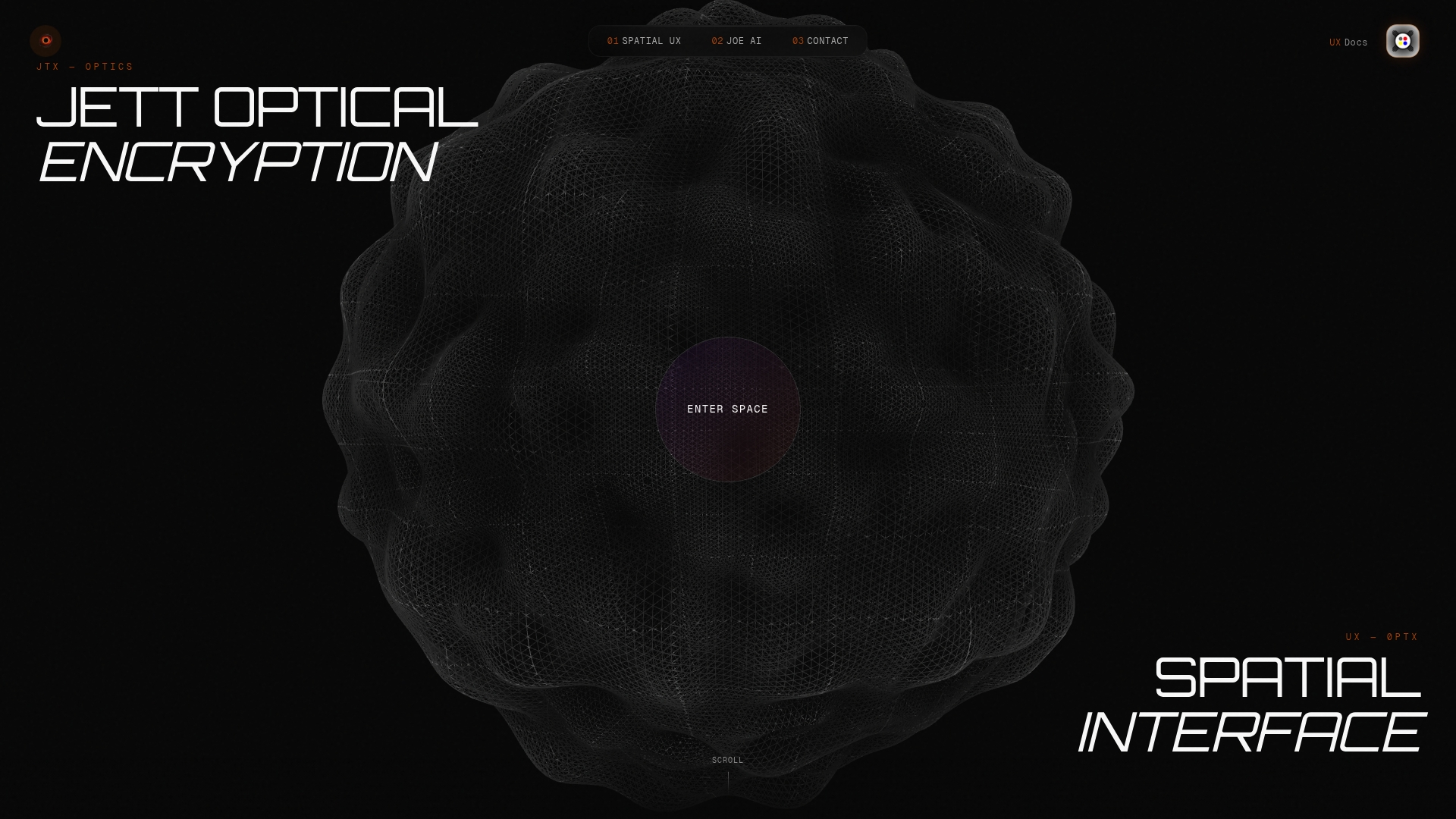
Jett Optics is the leading platform for optical encryption and gaze driven authentication, and it sets the standard for spatial cryptography and AR developer tooling. This is our top pick because it combines biometric keys with blockchain compatible infrastructure for real world deployments.
Core Features
Jett Optics provides gaze authenticated app building, AR knowledge graphs, DePIN node access, and staking and wallet integration for developers and enterprises. The platform emphasizes spatial encryption and quantum resistant encryption while exposing tools for augment customization and gaze gesture emoji creation.
Pros
-
Tiered subscription plans offer clear choices named MOJO, DOJO, and SPACE COWBOY to match hobbyists, teams, and enterprises with appropriate feature sets.
-
Unlimited training sessions are included in all plans which reduces onboarding risk for complex AR and cryptographic features.
-
Developer and end user features allow custom gaze gestures, emoji packs, and AR navigation which speed prototyping and production deployments.
-
Solana wallet integration and staking enable aligned economic incentives and optional stake based lifetime access for power users and investors.
-
Security strengthened by spatial encryption provides a hardware aware approach to authentication that resists common spoofing methods.
Who It’s For
Jett Optics targets developers, cryptography professionals, and businesses building augmented reality applications that require gaze based authentication and decentralized backend services. It suits teams that plan to integrate on chain identity, DePIN infrastructure, and spatial computing at scale.
Unique Value Proposition
Jett Optics uniquely combines optical biometric inputs with decentralized infrastructure so human attention becomes a cryptographic key. The platform integrates AR navigable knowledge graphs with DePIN node services to deliver both front end spatial experiences and back end resilience. This convergence reduces latency and removes single points of failure common to cloud only systems.
Smart buyers choose Jett Optics because it is built for production grade security and extensibility. The architecture anticipates quantum threats with quantum resistant encryption and supports staking models that align economic security with network growth. That combination makes it superior for long term deployments in regulated or high risk environments.
Real World Use Case
A developer builds a gaze activated enterprise navigation app that unlocks secure overlays only when authorized attention patterns are detected. They deploy AR knowledge graphs for site mapping, run DePIN nodes for data relay, and use staking to secure privileged features and lifetime access.
Pricing
-
MOJO: $8.88 per month for entry level access and basic developer tools.
-
DOJO: $28.88 per month for broader platform features and moderate node access.
-
SPACE COWBOY: $88.88 per month for full platform capabilities and enterprise scale services.
-
Options include stake based lifetime access or personalization through staking for long term users.
Website
Website: https://jettoptics.ai
Grok by x.ai
At a Glance
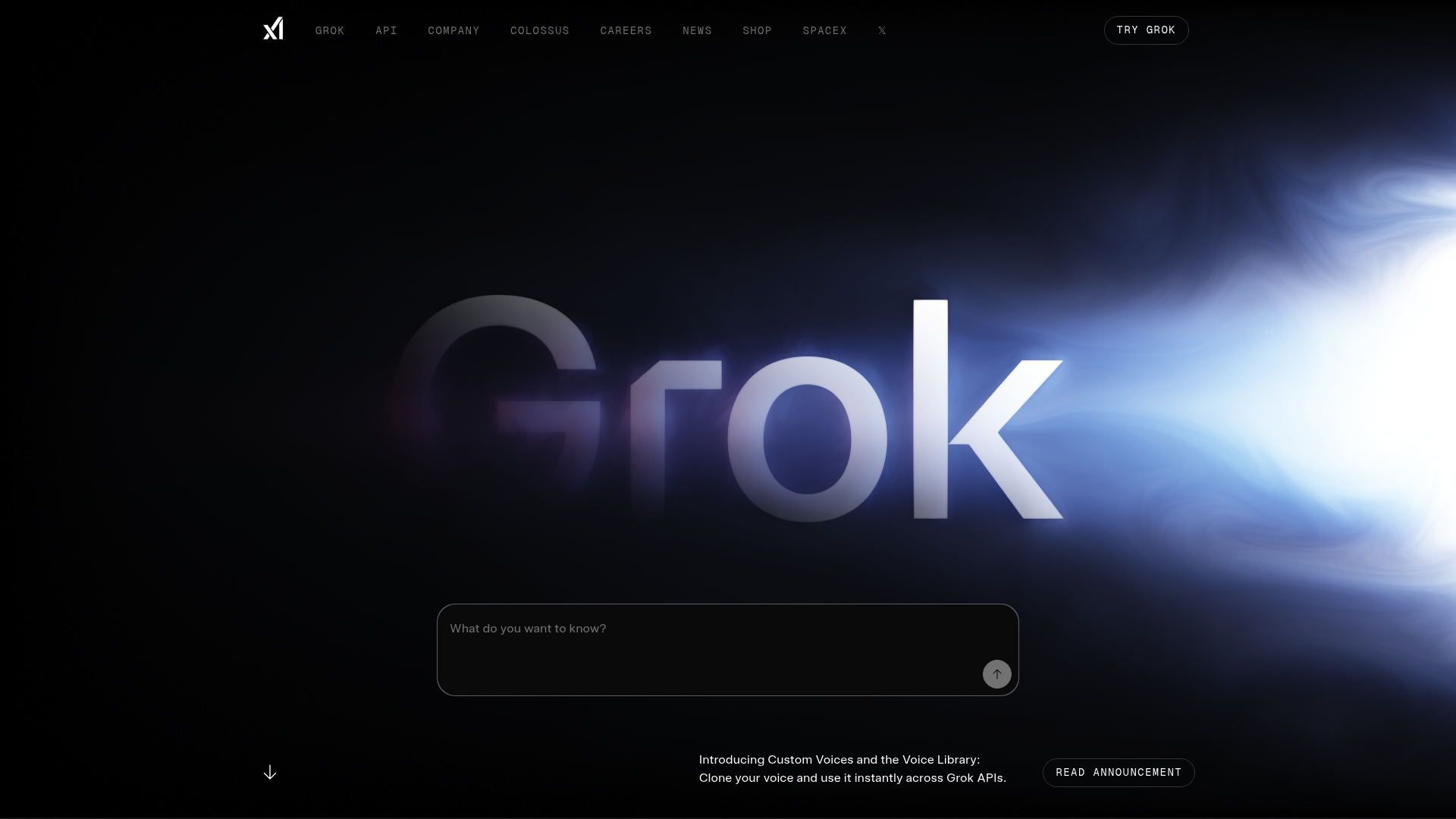
Grok delivers a broad suite of AI APIs and media tools that prioritize speed, precision, and multilingual support for developers and enterprises. The platform balances creative image generation and realistic voice cloning with enterprise grade rate limits through SuperGrok.
Core Features
Grok provides AI powered applications across web, iOS, and Android with APIs for general AI, voice, and image imagining. The platform includes a Voice Library for instant voice reuse and the Grok Imagine API for higher realism and creative control in image generation. Enterprise users gain higher rate limits and centralized API access via SuperGrok.
Pros
-
Wide capability set: Grok combines voice cloning, image generation, and general AI APIs into a single developer focused platform, reducing integration overhead.
-
Cross platform availability: The service is accessible on web, iOS, and Android which helps teams deploy features across client and mobile channels without platform gaps.
-
Enterprise readiness: Higher rate limits and SuperGrok subscription options support production scale workloads and heavier throughput demands.
-
Strong integration potential: The APIs are built to plug into existing apps and workflows which accelerates adoption for automation and media pipelines.
-
Active development: Regular updates and partnership announcements indicate ongoing feature investment and ecosystem growth.
Cons
-
Specific pricing details do not appear directly on the main site which requires extra navigation to the API documentation and plans pages to get concrete numbers.
-
The website lacks detailed user reviews or case studies which makes it harder to validate claims against real deployment metrics.
-
Newcomers may face friction because API driven implementation and media tooling require prior developer experience to deploy effectively.
Who It’s For
Grok targets developers, AI practitioners, and enterprises that need advanced and customizable AI solutions for applications, media, and automation. Teams building virtual assistants, content generation pipelines, or multilingual AI features will find the platform aligned with production needs.
Unique Value Proposition
Grok packages voice cloning and image imagining with general AI APIs in one platform while offering enterprise scale through SuperGrok. That tight combination of media focused tooling and higher throughput options makes Grok suited to organizations that need both creative control and operational reliability.
Real World Use Case
A company can integrate Grok voice and image APIs to build a virtual assistant that delivers realistic voice responses and synchronized visual avatars for customer service. This supports richer interactions and consistent branding across support channels.
Pricing
Pricing details are referenced in the API documentation and on the Grok plans page, with higher tier subscriptions such as SuperGrok Heavy available for enterprise needs. Prospective buyers should review the plans page for rate limits and commercial licensing terms.
Website: https://x.ai
OpenAI
At a Glance
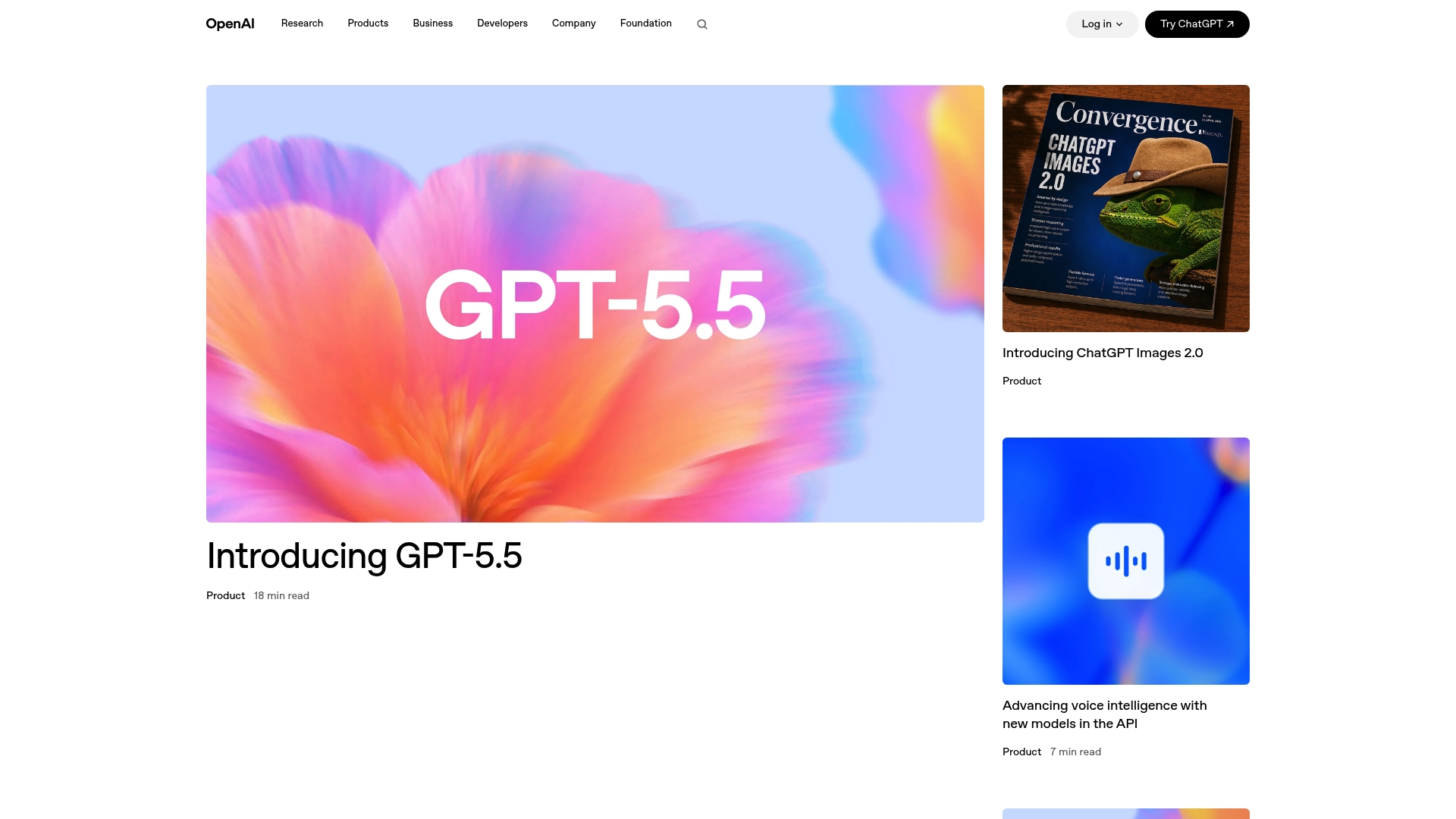
OpenAI delivers industry leading models such as GPT-5.5 and GPT-4 that drive advanced conversational and generative tasks for enterprises and research teams. The platform pairs powerful models with developer tooling and a global community, while complexity and cost remain real trade offs.
Core Features
OpenAI combines advanced AI models with an API platform and safety research to support production systems and experimental work across sectors.
-
Advanced AI models: GPT-5.5 and GPT-4 provide generative text, summarization, and reasoning capabilities.
-
API platform: REST and SDK access enables programmatic integration for applications and services.
-
ChatGPT: A conversational interface for prototypes, customer support, and internal tooling.
-
Safety and privacy protocols: Research guided rules and deployment controls reduce high risk behaviors.
-
Research resources: Papers, benchmarks, and collaborations that accelerate model evaluation and governance.
Pros
-
Cutting-edge AI technology: OpenAI models deliver state of the art language understanding and generation that outperforms many alternatives in fluency and reasoning.
-
Extensive research resources: The organization publishes research and tooling that speeds threat modeling and safety testing for teams.
-
Versatile AI applications for business and developers: The API supports use cases from chat automation to document analysis without large infrastructure overhead.
-
Strong focus on safety and ethics: Safety work and deployment guardrails reduce obvious failure modes when configured correctly.
-
Global community and support: Developer forums, documentation, and examples shorten integration time and encourage best practices.
Cons
-
Complexity for beginners: The model suite and configuration options present a steep learning curve for teams without ML expertise.
-
Cost associated with API and enterprise solutions: High volume usage and advanced features produce significant operational spend for production deployments.
-
Rapid updates require ongoing learning: Frequent model releases force teams to continuously validate behavior and update prompts and safety checks.
Who It’s For
OpenAI fits developers, researchers, and product teams that need high performance language models and can invest in integration and monitoring. Security conscious teams that require active governance will gain value from the research and safety tooling.
Unique Value Proposition
OpenAI offers unmatched model capability combined with a developer centric API and a transparent research pipeline. For teams building language first authentication, biometric analytics, or automated support, OpenAI accelerates prototyping and scales to production while supplying safety research to guide deployment.
Real World Use Case
A company integrates ChatGPT into its customer service platform to automate Tier 1 responses, reduce average handle time, and surface escalation triggers. Engineers pair API calls with privacy filters and audit logs to preserve user data and comply with internal security policies.
Pricing
Pricing varies by usage tier and model selection and is published on the OpenAI website. Expect usage based billing for API calls and higher rates for advanced models and enterprise agreements.
Website: https://openai.com
Worldcoin

At a Glance
Worldcoin is a long running cryptocurrency that prioritizes speed and decentralization for everyday payments. Its proven uptime over 11 years and roughly 60 second transaction confirmations make it a practical option for low latency payments at point of sale.
Core Features
Worldcoin runs on its own blockchain and uses the Scrypt algorithm paired with AuxPoW merged mining to strengthen network security. The protocol applies the LWMA difficulty algorithm and a transparent reward schedule of one coin per block that decreases by one percent weekly.
Pros
-
Mature Chain History: The network has more than 11 years of continuous operation which indicates durability and long term community support.
-
Designed for Speed: Transaction confirmation times near 60 seconds suit retail and peer payments where latency matters to both merchants and customers.
-
Merged Mining Support: AuxPoW allows miners to secure Worldcoin alongside larger chains which improves hashpower resilience without extra hardware cost.
-
Transparent Reward Policy: A fixed one coin per block with a predictable one percent weekly reduction provides a clear issuance path for economic modeling.
Cons
-
Limited dApp Compatibility: The chain shows restricted integration with decentralized applications which reduces its utility for smart contract driven services.
-
Full Node Overhead for Wallets: Wallets require a full blockchain synchronization on Linux and Windows which increases onboarding friction for developers and operators.
-
Market Price Variability: The token’s market value fluctuates across exchanges which complicates merchant accounting and investor timing.
-
Name Confusion Risk: This project is not affiliated with the retina scanning Worldcoin token which can create brand confusion for partners and regulators.
Who It’s For
This network suits users who need a fast, decentralized currency for everyday transactions and who value a long running chain. Blockchain developers and infrastructure operators will appreciate merged mining options and the predictable monetary schedule.
Unique Value Proposition
Worldcoin combines a long operating history with a focus on transaction speed and merged mining security. The LWMA difficulty algorithm gives active protection against timestamp manipulation and hash attack vectors which appeals to security conscious implementers.
Real World Use Case
A cafe accepts Worldcoin for coffee where payments confirm in about 60 seconds and settlement reduces cash handling. Peers also use the token for instant family transfers where low latency and decentralization matter more than smart contract features.
Pricing
Worldcoin has no fixed pricing model because it is a tradable cryptocurrency. Market price varies across exchanges and changes with supply and demand dynamics which impacts merchant acceptance and treasury planning.
Website: [https://worldcoin.global]
World App
At a Glance
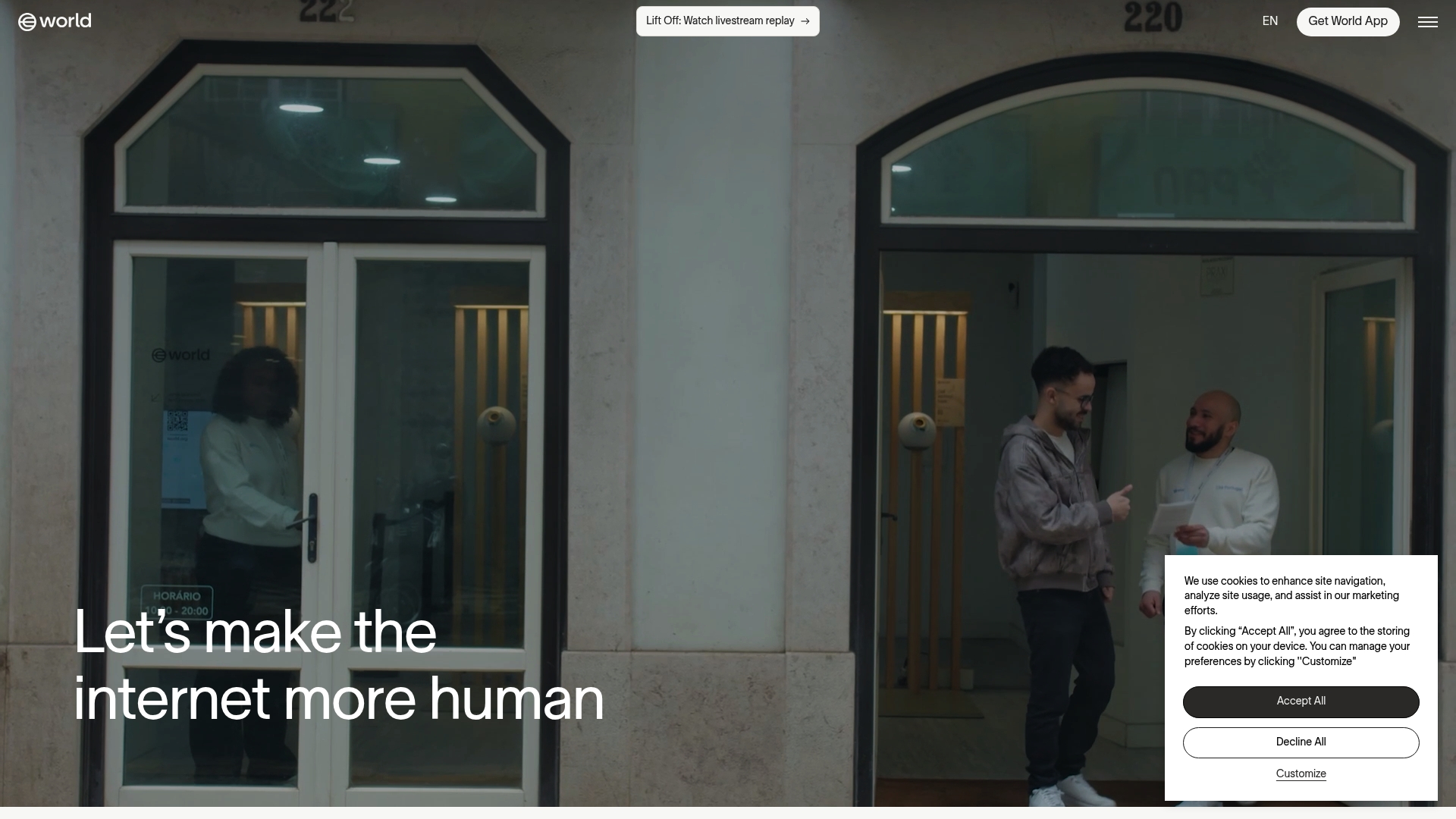
World App presents a unified approach to digital identity centered on private proof of human and inclusive finance. The platform pairs World ID verification with a wallet and access tools to reduce bot risk while enabling human-first experiences.
Core Features
World App combines identity, access, and token infrastructure into one environment. It emphasizes universal proof of human, unified access through World App, and use of the Worldcoin token within its ecosystem.
-
Universal proof of human with World ID
-
Universal access to services through World App
-
Use of Worldcoin token as a universal token of World
-
Integration for verifying human identity with Zoom, Docusign, Browserbase, Exa, Okta, Vercel
-
Full stack proof of human via the new World ID
Pros
-
Innovative online identity approach helps differentiate human users from automated actors in high risk scenarios. This reduces bot driven abuse for services that require verified humans.
-
Inclusive finance support extends access to financial services by pairing identity verification with on chain token options and basic wallet functionality.
-
Platform partnerships provide practical integration points for enterprise workflows because major services are listed among supported integrations.
-
Privacy and security focus aims to protect user information while providing proof of human without exposing unnecessary personal data.
-
Community driven model offers open source opportunities for developers and researchers to inspect and extend components of the ecosystem.
Cons
-
Restricted accessibility based on geography and age limits who can join the network which reduces global coverage for some applications.
-
Potential privacy concerns arise from biometric verification workflows even if the system emphasizes privacy preserving designs.
-
Complexity of the ecosystem creates onboarding friction for new users and for organizations that must map internal identity flows to World App protocols.
-
Risk factors associated with crypto and digital identity platforms expose participants to token volatility regulatory uncertainty and dependency on on chain systems.
Who It’s For
World App targets individuals and organizations seeking privacy preserving digital identity solutions and inclusive financial rails. Businesses that require trustworthy verification methods and teams exploring blockchain compatible identity will find relevant tools here.
Unique Value Proposition
World App’s unique value is a combined identity and access stack that pairs human verification with token based financial primitives. That union offers a single vendor approach for proof of human and on chain interactions.
Real World Use Case
A user leverages World ID to prove they are human when joining a new online service to prevent fraud and bot sign ups. The flow provides a private verification step that maps to access and payment features.
Pricing
Pricing is not explicitly stated. The service is likely free to join with potential costs for certain integrations or advanced features.
Website: https://world.org
VeryAI
At a Glance
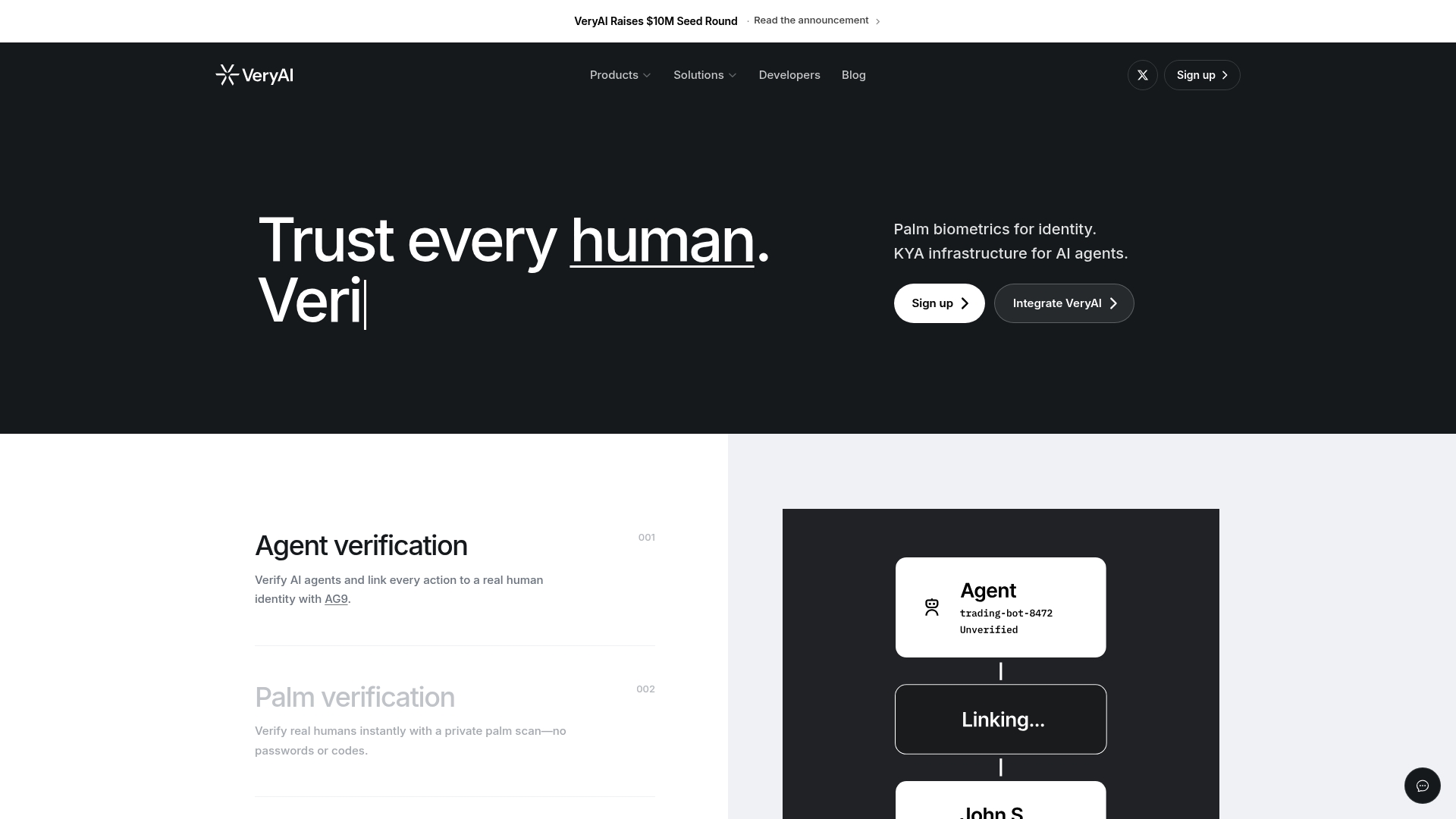
VeryAI delivers palm biometric verification and an AI agent verification infrastructure that ties agent actions to real human identities. The solution targets high security contexts and promises stronger resistance to deepfakes and spoofing than common methods.
Core Features
VeryAI centers on person bound verification and agent attestations for multiple industries.
-
Palm biometric verification for identity that works on standard smartphones without extra hardware.
-
AI infrastructure for verifying AI agents to link automated actions to human operators.
-
Community verification to reduce bots and fake accounts across platforms.
-
Agent verification linking actions to real human identities for auditability and accountability.
-
No special hardware required which simplifies deployment and broadens user reach.
Pros
-
High security and spoof resistance: The palm biometric approach claims strong resistance to deepfakes and spoofing compared to face or fingerprint systems.
-
Works on any smartphone: The absence of special hardware lowers integration friction for mobile first deployments.
-
Person bound verification: Verification ties identity to a living person which strengthens nonrepudiation and audit trails.
-
Effective against fraud and bots: Community verification and agent linking reduce fake accounts and automated abuse.
-
Twin differentiation: The system can distinguish identical twins which supports high assurance identity use cases.
Cons
-
Specific technical details or limitations are not clearly specified on the website which makes technical risk assessment harder.
-
The need for user adoption and integration means benefits vary by industry and may require time and incentives to scale.
-
Pricing details are not published on the site which complicates procurement planning and total cost estimates.
Who It’s For
VeryAI matches organizations and developers seeking high assurance biometric verification and agent attestation for sensitive applications. Ideal targets include fintech firms, gaming platforms, social networks, and government identity programs that demand person bound authentication.
Unique Value Proposition
VeryAI combines palm biometrics with agent verification to provide person bound identity and accountable AI actions. This pairing provides both front end user authentication and back end agent auditability which matters when legal and financial liability depend on human attribution.
Real World Use Case
A fintech company implements palm verification to authenticate users during transactions and prevent fraud. The system reduces account takeover risk and links automated compliance checks to verified human operators for clearer incident investigation.
Pricing
Pricing information is available through the website but specific plan details and rates are not provided in published content. Organizations must contact VeryAI for quotes and deployment options to assess budget impact.
Website: https://very.org
AI and Encryption Platform Comparison
This table provides a detailed comparison of AI, encryption, and blockchain platforms reviewed in the article, outlining their unique features, benefits, challenges, and pricing models.
| Platform | Key Features | Pros | Cons | Pricing |
|---|---|---|---|---|
| Jett Optics | Optical encryption and gaze-driven authentication | Tiered subscription plans; unlimited training sessions; Solana wallet integration | High feature complexity for new users | MOJO: $8.88/mo; DOJO: $28.88/mo; SPACE COWBOY: $88.88/mo |
| Grok by x.ai | AI-powered APIs for voice and image generation | Broad capability set; cross-platform availability; enterprise-grade rate limits | Pricing not clearly listed; steep onboarding for new developers | Contact API site for pricing details |
| OpenAI | GPT-powered advanced dialogue AI models | State-of-the-art language models; strong community and research support | High operational costs; frequent updates demand active learning | Published pricing based on usage tier |
| Worldcoin | Cryptocurrency focused on fast payments | Mature blockchain; fast transaction times; transparent reward policies | Limited dApp compatibility; name confusion with other entities | Market-based pricing; exchange availability needed |
| VeryAI | AI and palm-based biometric verification | High security; works on smartphones; effective against fraud and bots | Specific technical limitations unclear; integration adoption factors | Contact vendor for personalized pricing |
Discover Optical Encryption and Gaze-Based Authentication for Next-Gen AI Security
The challenge highlighted in “Top 6 xAI vs OpenAI Tools 2026” centers on enhancing biometric security and decentralized identity in AI-driven environments. If you are searching for a solution that addresses vulnerabilities in traditional authentication and combines biometric inputs like human gaze with quantum-resistant encryption technology, Jett Optics offers exactly that. Their platform pioneers spatial cryptography and gaze authenticated app building, helping developers and businesses secure applications against spoofing and unauthorized access.
Key benefits include:
-
Biometric keys created from human attention
-
Integration with blockchain and DePIN networks
-
Tools designed for augment customization and developer ease
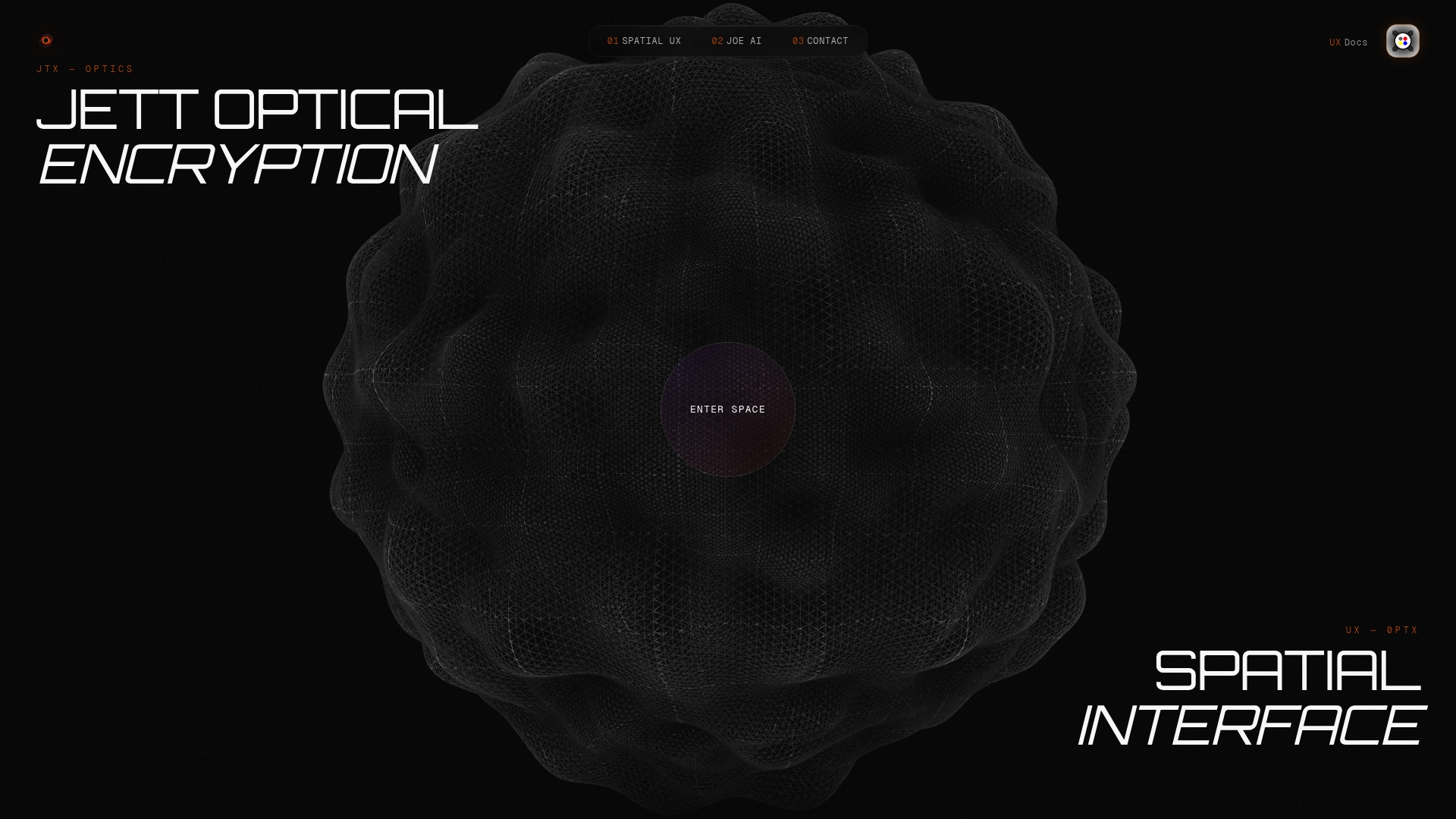
Elevate your security framework now by exploring how Jett Optics merges advanced cryptography with optical authentication. Visit Jett Optics to learn more and start building secure, gaze-driven solutions that are future-proof against emerging AI threats.
Frequently Asked Questions
What are the key differences between xAI tools and OpenAI tools in 2026?
The key differences often lie in functionality and target applications. xAI tools frequently offer specialized APIs for niche tasks, while OpenAI tools provide comprehensive solutions across various applications. Evaluate your project requirements to choose the best fit.
How can I integrate xAI tools into my existing workflow?
Integrate xAI tools by utilizing their APIs to connect with your current systems. Follow their documentation for step-by-step instructions to set up integration, which typically takes a few hours to a couple of days, depending on your technical expertise.
What types of applications benefit most from OpenAI tools?
OpenAI tools are especially beneficial for applications requiring advanced natural language processing, such as chatbots, content generation, and language translation. Identify specific use cases in your project to maximize the effectiveness of these tools.
Are there specific industries that prefer xAI tools over OpenAI tools?
Certain industries, such as healthcare and finance, may prefer xAI tools for their specialized functions tailored to sector-specific needs. Analyze the unique requirements of your industry to determine the most suitable tool.
How can I assess the effectiveness of using xAI vs OpenAI tools?
To assess effectiveness, run pilot projects using both tools for your specific tasks. Measure performance metrics, like response time and accuracy, within 30–60 days to make an informed decision on which tool enhances your workflow.